
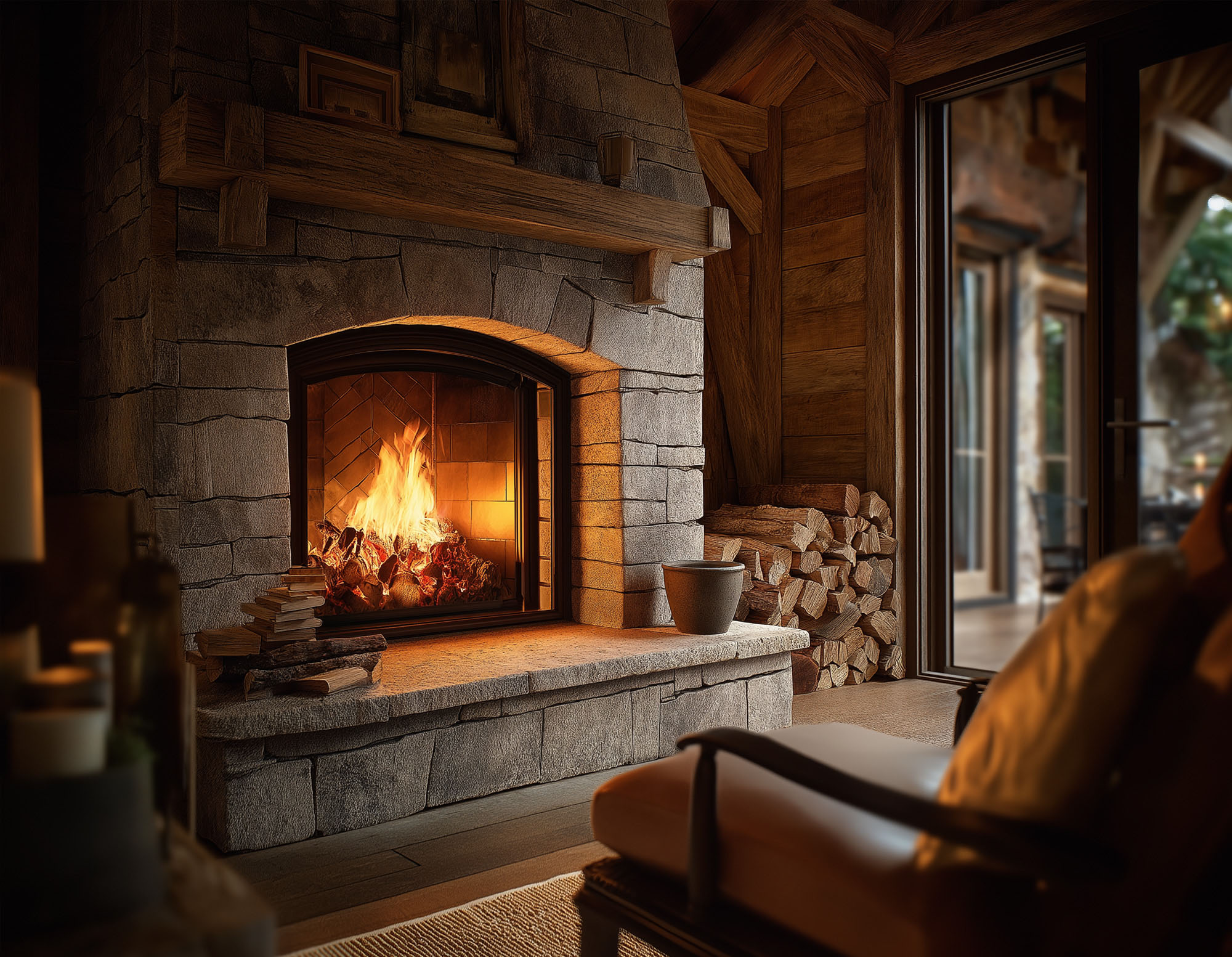
“Most ideas about comfort were formed during the era of inefficient buildings. A modern energy efficient home operates according to completely different principles.”
Novaspace Promo
For many people, the dream of owning a home is closely associated with a fireplace. It remains a symbol of comfort, peaceful winter evenings and a comfortable lifestyle.
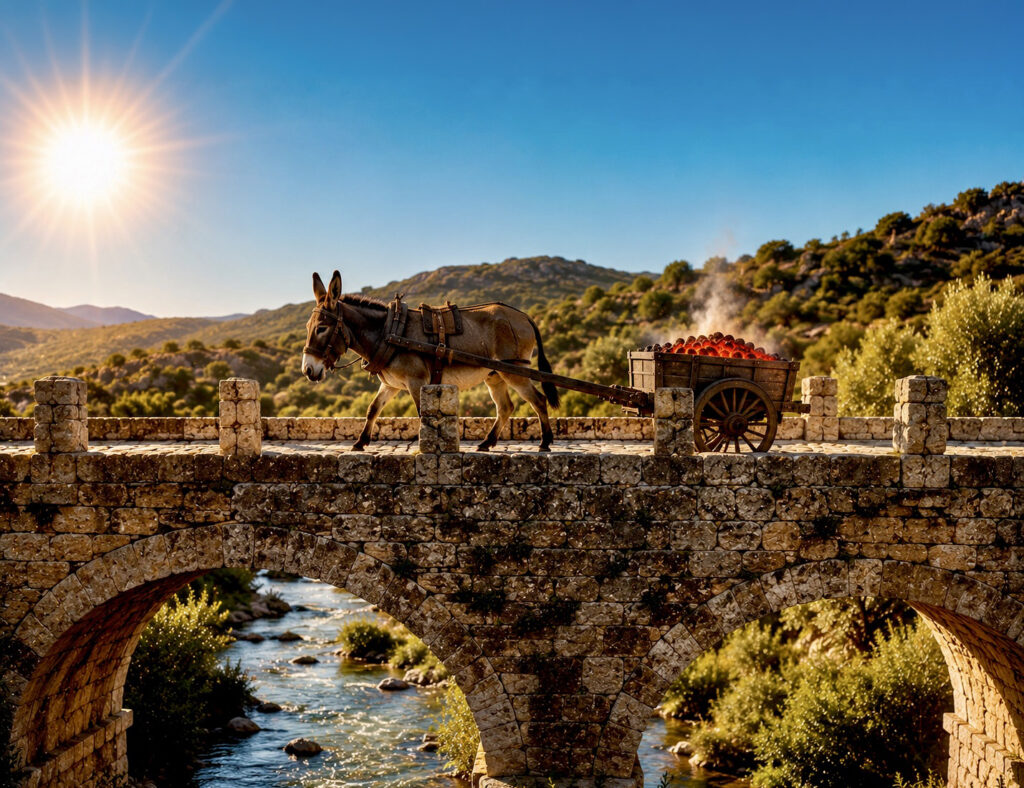
However, if you stop to think about it, you probably would not dream of owning a car with a wood burning furnace positioned between the driver and the passenger. During the journey, the rear passengers would periodically take logs from the boot and feed the fire. The combustion process would heat a water boiler, the steam would drive a turbine and the turbine would transfer power to the wheels. Today, such a solution would be considered an obvious technological relic.
“A modern energy efficient home turns this traditional idea of comfort on its head.”
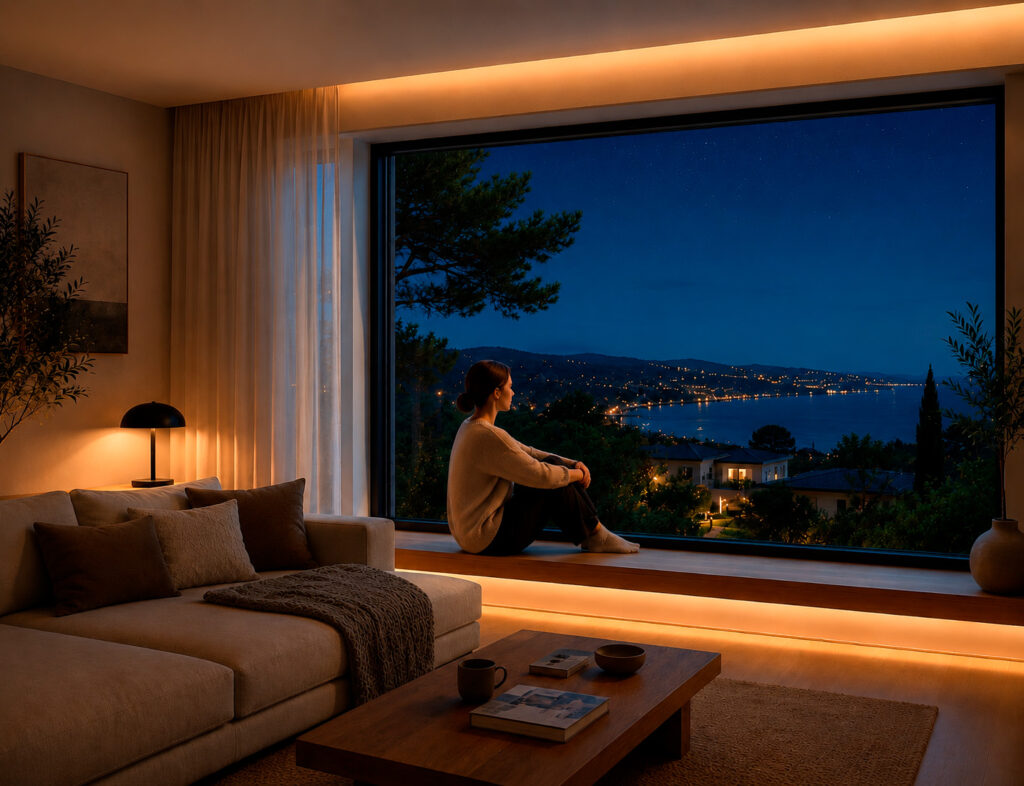
If the fireplace historically solved the problem of insufficient heat during certain periods of the year, an energy efficient home delivers a high level of comfort throughout the entire year.
Fresh air, stable temperatures, freedom from draughts, silence, cool indoor conditions during summer and thermal comfort throughout winter. Not for a few hours each day, but 365 days a year.
The fireplace was never originally created to provide atmosphere. It emerged during a time when buildings lost enormous amounts of heat through walls, windows, roofs and countless gaps within the building envelope. Its purpose was not to decorate an interior or create a particular mood, but to compensate for major energy losses and provide warmth during cold winter nights. In a modern energy efficient home, those needs largely belong to the past.
To understand the contradiction between a fireplace and an energy efficient home, it is worth recalling a simple physical principle. A fireplace requires a stable draught in order to function properly. If warm air continuously leaves the building through the chimney, that volume of air must constantly be replaced. The air rising through the chimney after being heated must first enter the building from somewhere else. This is precisely why traditional fireplaces worked so well in buildings with poor airtightness. Air could freely enter through gaps around windows, doors and other elements of the building fabric, providing the airflow required to sustain combustion.
Now imagine the opposite situation. You install modern windows, improve the airtightness of the building envelope, eliminate uncontrolled air leakage and reduce heat loss. As the home becomes more airtight, supplying sufficient air for the fireplace becomes increasingly difficult. At a certain point, the draught begins to deteriorate, combustion becomes less stable and, in some cases, smoke may even enter the living space.
This creates a fundamental contradiction. Modern building science seeks to create highly airtight building envelopes in order to eliminate uncontrolled energy losses. A traditional fireplace, on the other hand, relies on a continuous exchange of air between the interior and the outside environment. In essence, one part of the home is attempting to conserve energy while another is constantly contributing to its loss.
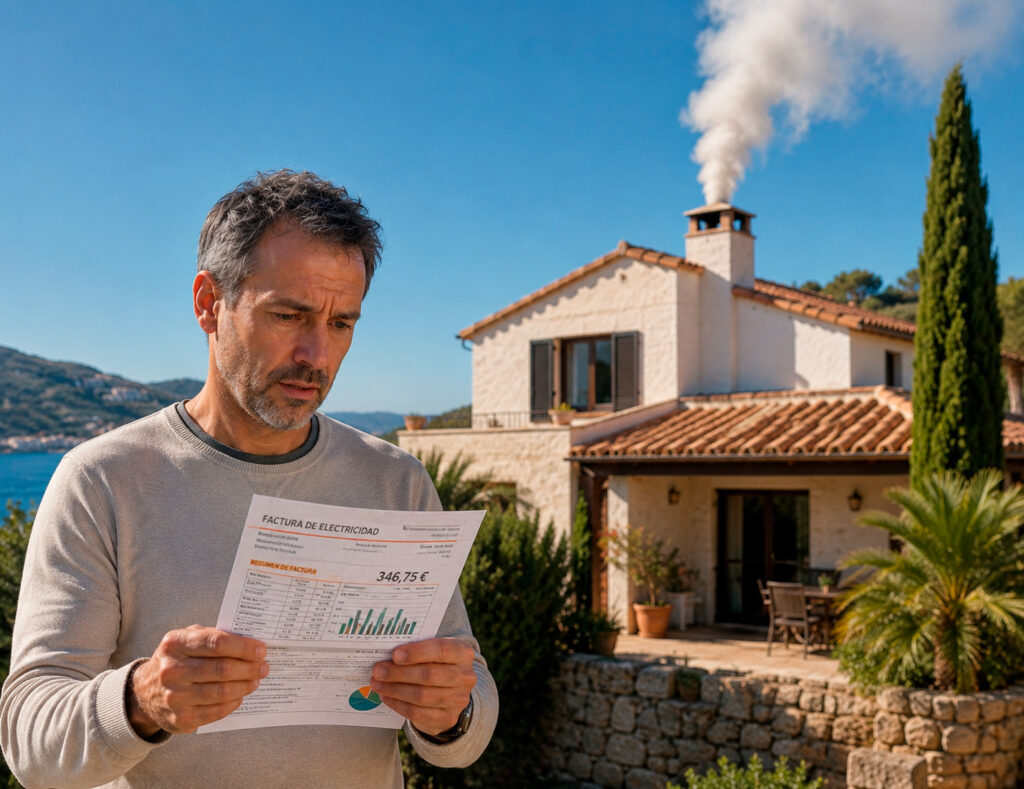
There are also broader contradictions. In a home equipped with a traditional fireplace, it becomes difficult to maintain fully controlled ventilation because the chimney creates a permanent connection with the outdoor atmosphere. For the same reason, the effectiveness of summer cooling is reduced. Some of the cool indoor air escapes uncontrollably while external heat gains additional pathways into the building. Furthermore, the chimney disrupts the continuity of the thermal envelope and creates an additional route for energy transfer between indoors and outdoors.
If the objective is to enjoy the atmosphere of a real fire, there are specialised airtight fireplaces in which the combustion process is completely separated from the home's air exchange system. However, such solutions are complex, expensive and, in reality, are sophisticated engineering systems rather than traditional fireplaces in the conventional sense. Furthermore, our experience shows that even open flame bioethanol fireplaces, which can be used in energy efficient homes, often generate excessive amounts of heat.
Before you feel the need to warm up, you first have to feel cold. In a truly energy efficient home, that situation occurs very rarely.
For this reason, the most logical solution is often a modern electric fireplace featuring highly realistic flame effects and the sound of crackling logs. It allows homeowners to enjoy the same atmosphere and emotional experience traditionally associated with a fireplace without introducing unnecessary heat and without compromising the energy efficiency of the home.
Vladimir Nazarchuk, 2026
NOVASPACE PROMO
 Russian
  Spanish
  English
  Catalan
  French
  German
  Dutch
Dutch  Italian
  Latvian
  Ukrainian
  Norwegian
  Danish
  Finnish
  Swedish
  Polish