
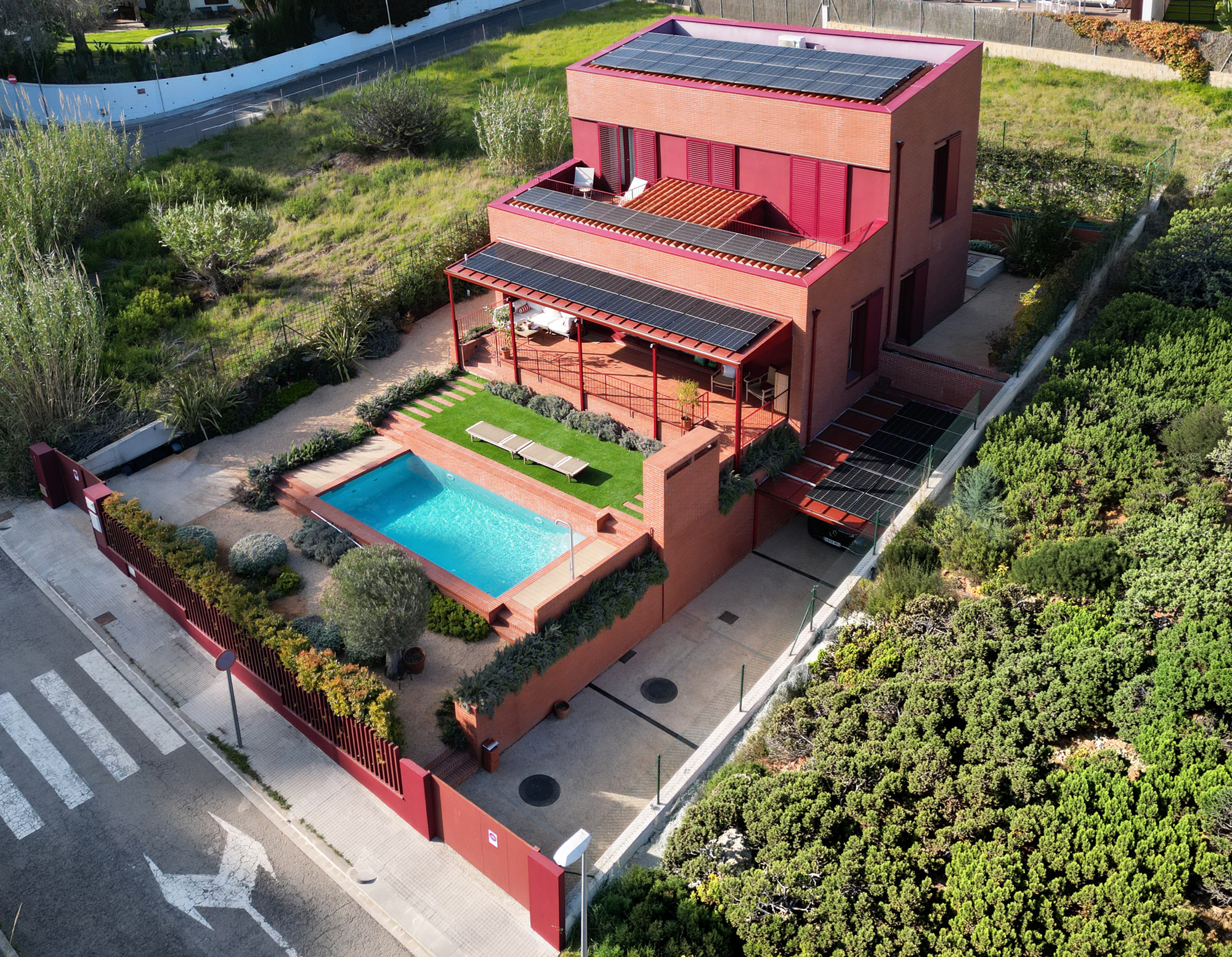
The Spanish property market is not merely experiencing growth. It is undergoing a structural transformation. We are witnessing a decisive shift in buyer preferences, one that is already supported by hard data. In 2025 apartment transactions increased by 2.3 percent, reaching 567,564 operations. Yet this figure remains below the 675,187 transactions recorded in 2007. The detached housing segment tells a very different story. Sales of single family homes rose by 11.5 percent to 185,097 transactions, surpassing the historic 2007 peak of 178,381. This is not a short term fluctuation. It is a durable lifestyle driven trend.
At Novaspace we anticipated this shift long before the pandemic, but the lockdown period accelerated collective awareness. Confinement forced thousands of families to reassess how and where they live. It became clear that a significant proportion of professional activity can be carried out remotely. Daily commuting, hours lost in traffic and recurring transport costs are no longer inevitable. Flexible working has enhanced quality of life and reduced the strategic necessity of living in dense urban centres. At the same time, weeks spent inside city apartments exposed their limitations. Restricted space, limited natural light, absence of private outdoor areas and the inability for children to freely access open air led many families to reconsider their residential priorities. This turning point triggered sustained demand for detached homes in peri urban areas, coastal locations and well connected environments outside the urban core.
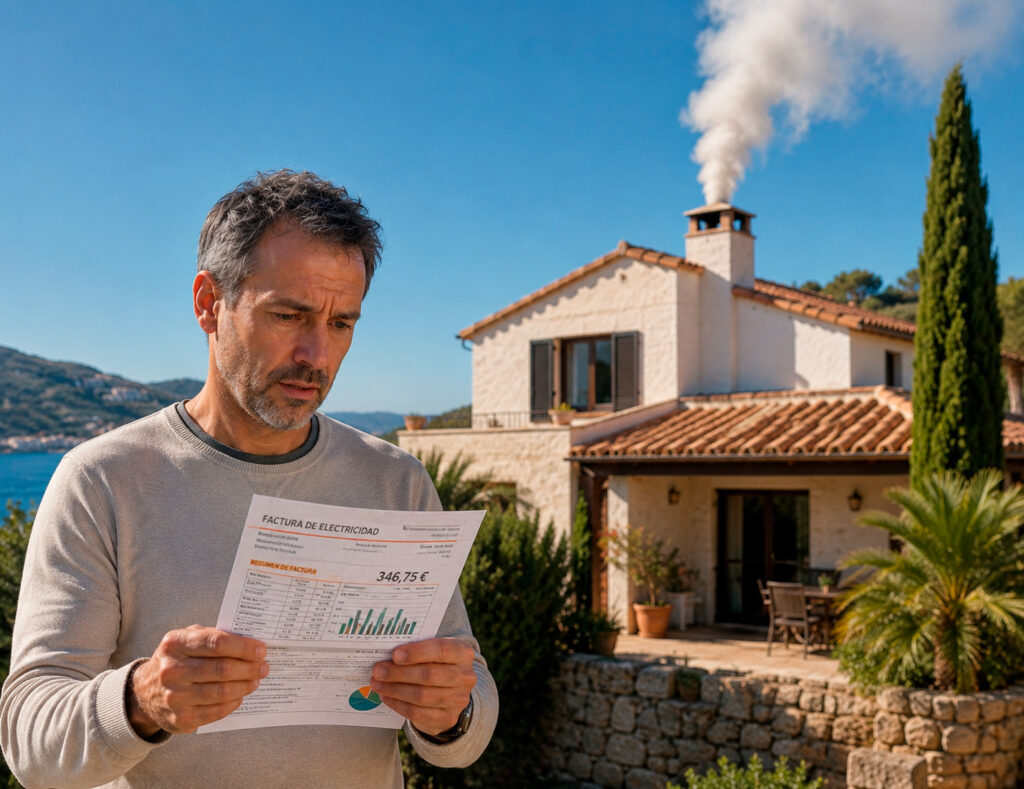
Economic fundamentals reinforce the logic of this transition. In 2025 the average price of apartments reached 2,186 euros per square metre, 10.1 percent higher than the previous year and above the 2007 peak of 2,070 euros. By contrast, the average price of detached homes stood at 1,424 euros per square metre, rising by 3.8 percent and still slightly below the 2007 level of 1,429 euros. In objective terms, the price per square metre of a house remains more competitive than that of an apartment. Furthermore, in many residential complexes and gated communities, homeowners association fees can reach levels that rival or even exceed the maintenance costs of an individual home. Added to this is the dependency on collective decision making for upgrades and improvements.
Energy efficiency has become another decisive factor, particularly within the Spanish context. In multi unit buildings, individual intervention is limited by community regulations and the financial capacity of neighbours. In a detached property, the owner retains full autonomy. Comprehensive energy retrofitting can be implemented. Photovoltaic systems and battery storage can be installed. Aerothermal solutions, electric vehicle charging infrastructure and alternative water supply systems can be integrated without external approval. In a country with one of the highest annual sunshine rates in Europe, these measures are not merely environmental gestures. They represent rational long term economic strategy. Within our own professional practice we have delivered homes that operate independently from the grid. One client now lives in a house built by Novaspace that fully covers domestic energy consumption and electric vehicle charging, achieving true residential and mobility independence.
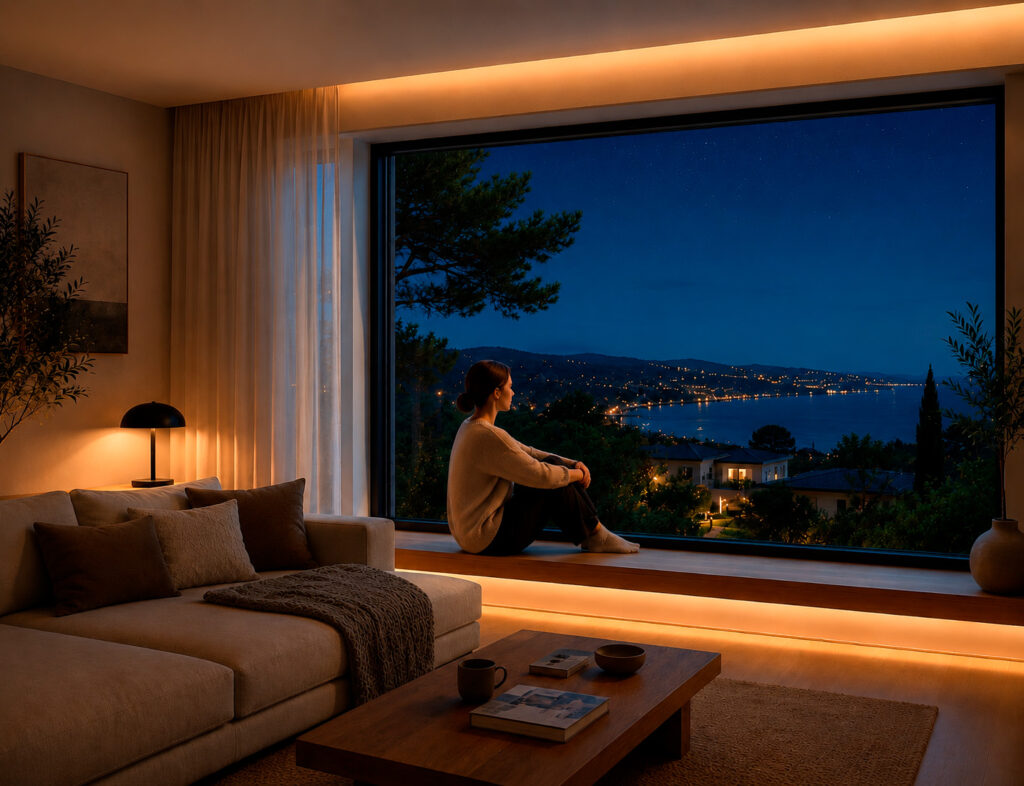
Comfort has evolved into a strategic asset. A detached home provides privacy, spatial freedom, private land and architectural adaptability tailored to family life. In an era of increasing urban density, such qualities are no longer perceived as luxury. They are understood as logical and sustainable choices. Spain’s specific conditions reinforce this trajectory. Favourable climate, land availability outside major metropolitan areas, the consolidation of remote work, sustained international demand and regulatory momentum towards energy efficient construction create a uniquely supportive environment for continued growth in this segment. Crucially, detached housing prices per square metre have not yet exceeded historical highs, leaving additional room for appreciation.
An 11.5 percent increase in detached housing transactions and the surpassing of previous records are not random developments. They reflect structural changes in labour patterns, lifestyle expectations and the valuation of autonomy. In contemporary Spain, a house is not simply real estate. It is a vehicle for enhanced quality of life, long term cost optimisation and energy independence. From a professional and analytical standpoint, this is not a temporary phase. It represents the emerging core of the Spanish residential market.
Sebastian Pereira, 2026
AICAT 8139
 Russian
  Spanish
  English
  Catalan
  French
  German
  Dutch
Dutch  Italian
  Latvian
  Ukrainian
  Norwegian
  Danish
  Finnish
  Swedish
  Polish