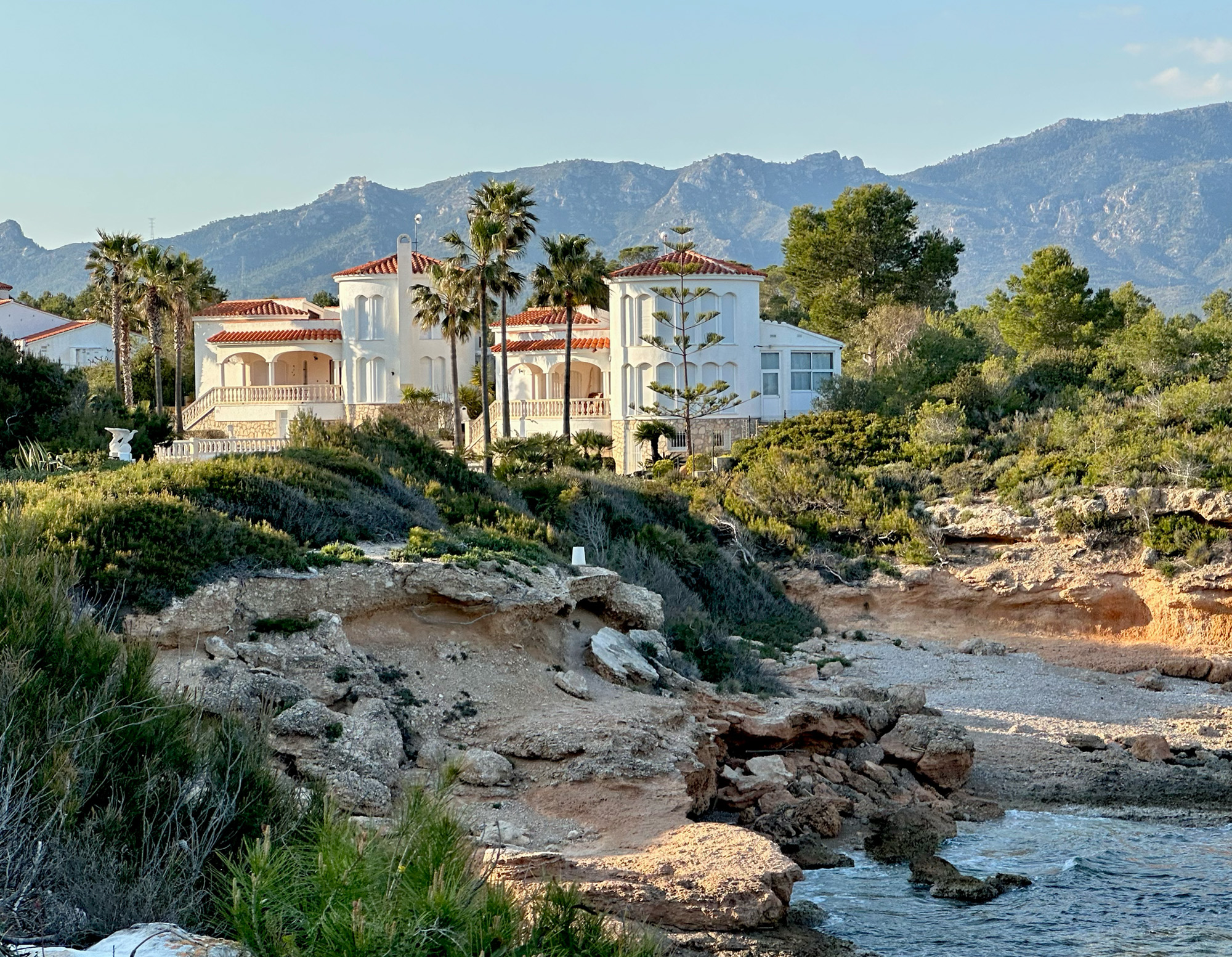
Until relatively recently, the sustained and almost uninterrupted growth of the Spanish property market was widely regarded as a given. From the late 1990s through to 2007, Spain experienced an extraordinary construction boom. Rising property values, expansive mortgage lending, strong domestic demand and substantial inflows of international capital combined to create one of the most dynamic real estate models in Europe.
The turning point came in 2008, when the global financial crisis, triggered by the collapse of the US subprime mortgage market, hit Spain with particular force. The period between 2008 and 2013 marked a profound correction. Residential property prices fell on average by more than 30 percent, development activity contracted sharply and the banking sector underwent large scale restructuring. This phase effectively reset the market, removing overheating and speculative excess.
From 2014 onwards, a gradual and structurally healthier recovery began to take shape. Employment growth, financial sector stabilisation and renewed confidence among investors and homebuyers reactivated transaction volumes. By 2018 and 2019, key regions such as Madrid, Barcelona, the Balearic Islands and the Costa del Sol demonstrated robust price growth and consistently high international demand.
The COVID 19 pandemic in 2020 temporarily interrupted this trajectory. During the strict lockdown period, transaction volumes declined noticeably. However, by the second half of 2021 the market delivered an impressive rebound. Pent up demand, shifting buyer priorities towards larger and more energy efficient homes, and rising interest in detached properties and homes with terraces or private plots emerged as powerful new drivers.
In 2022, the war in Europe introduced additional challenges. A partial reduction in investment flows from Eastern Europe, rising construction material costs, inflationary pressures and increasing interest rates created a more complex operating environment. Nevertheless, the market once again demonstrated resilience. Spain retained its position as one of the leading destinations for capital relocation and private real estate investment.
One of the most telling indicators underlines this strength. According to 2024 data, and based on preliminary estimates for 2025, approximately 20 percent of all residential property transactions in Spain are carried out by foreign nationals. In certain coastal regions, this figure is significantly higher. British, German and French buyers, alongside purchasers from the Benelux countries, Scandinavia, the United States and Latin America, generate a stable and diversified external demand that acts as a natural buffer against domestic cyclical fluctuations.
The data confirms a fundamental conclusion. Spain remains one of the most attractive countries in Europe in which to live and invest. This appeal extends far beyond purely economic considerations and reflects a combination of structural advantages that underpin a long term growth trajectory.
It is about a climate offering more than 300 days of sunshine per year in many regions. It is about a lifestyle built on balance between professional activity and personal time. It is about world class gastronomy, exceptional historical heritage and a remarkable diversity of landscapes, where within a single day one can access the Mediterranean, mountain ranges, forests and even Atlantic coastlines. It is about high levels of public safety, well developed healthcare and education infrastructure, and property prices that remain competitive when compared with the leading markets of Western Europe.
Spain’s geographical characteristics also deserve attention. The Iberian Peninsula benefits from a certain degree of natural separation from mainland Europe. In many instances, this geographic distinction reinforces a perception of stability and security, even during periods of broader European turbulence.
Political changes, economic cycles and localised crises may influence short term sentiment, but they do not alter the structural advantages that underpin Spain’s enduring appeal. It is precisely this combination of factors that acts as a long term engine, providing the property market with intrinsic resilience and sustainable growth potential.
There is also an emotional dimension. Millions of people first discover Spain as tourists. Warm memories of holidays, a sense of freedom, light and space gradually evolve into a more mature aspiration for a second home or a place to spend a meaningful part of one’s life. For many, Spain becomes the logical choice for remote working, portfolio diversification or planning a comfortable and dignified later stage of life.
This sustained global interest, supported by objective economic indicators, forms a solid foundation for the continued development of the Spanish property market. Short term fluctuations, interest rate adjustments or political decisions may affect the pace, but not the overall direction.
Spain has proven that its real estate market can navigate crises, adapt and emerge stronger and more balanced. As a result, the strategic growth potential is not merely possible, but a natural continuation of an already established historical trajectory.
Sebastian Pereira, AICAT 8139, 2026