

The Spanish property market is undergoing a profound transformation, and this shift affects not only architecture and construction technologies, but also the very logic behind choosing a home. Where the decision between a new build and a resale property was once driven mainly by price, location and subjective preference, it is now directly linked to operational performance, regulatory frameworks and overall quality of life.
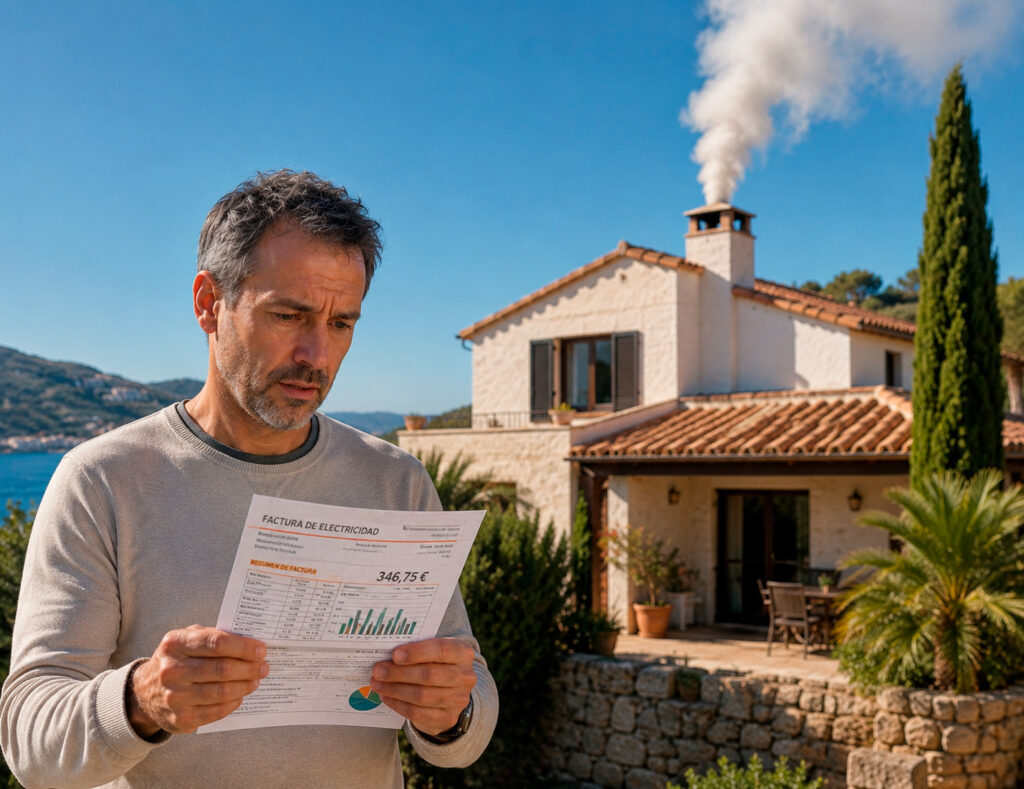
The resale segment represents a highly diverse housing stock, developed across different decades and under varying construction standards. A significant proportion of these homes were built at a time when energy efficiency requirements were either non existent or substantially lower than today. As a result, such properties demonstrate different levels of heat loss, ventilation performance and overall energy efficiency.
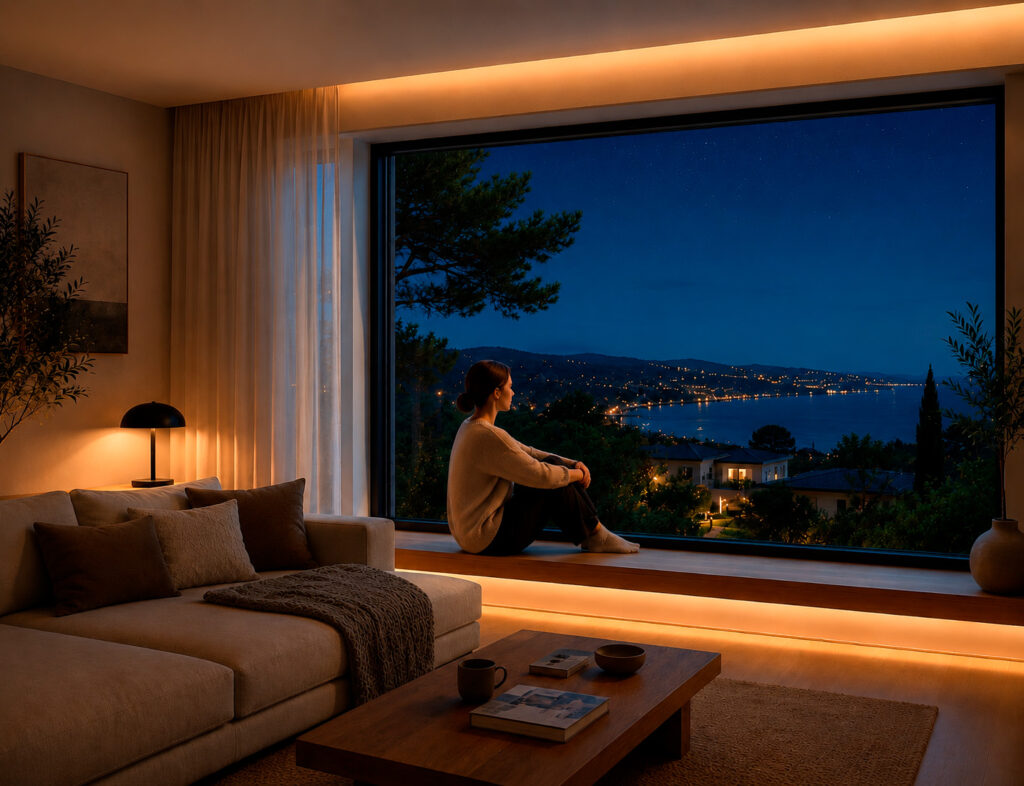
In recent years, Spain has introduced and tightened regulations aimed at reducing building energy consumption. Contemporary developments take into account airtight building envelopes, controlled ventilation systems, reduced thermal transmittance and the integration of renewable energy sources. This results in a fundamentally different level of indoor climate stability and a reduced dependence on external energy factors.
The contrast between these approaches becomes evident during the occupation phase. It is reflected in energy expenditure, temperature stability and humidity control. These parameters influence not only daily comfort, but also the long term condition of structural elements and finishing materials.
The regulatory environment continues to evolve towards higher energy performance standards. This means that buildings with lower ratings will gradually become subject to upgrading requirements. This may involve improving thermal insulation, modernising building services and implementing more efficient technical solutions. Such measures create additional capital expenditure that is not always fully considered at the point of purchase.
Current regulations also place increased emphasis on health and safety. In Spain, radon protection measures are mandatory in specific geographic zones. This naturally occurring gas can infiltrate buildings from the ground and accumulate indoors. Modern developments incorporate structural solutions designed to mitigate this risk. In properties constructed prior to the introduction of these standards, such measures are typically absent and can only be implemented through additional works.
Contemporary housing integrates all these factors at the design stage. This translates into more predictable operational performance, greater environmental stability indoors and compliance with current requirements. These properties are conceived in alignment with both present and foreseeable regulations, reducing the likelihood of future alterations and unforeseen investment.
From an investment perspective, the distinction becomes visible in value retention and liquidity. Assets that meet modern standards are generally better positioned to align with future market expectations. Housing stock with outdated characteristics, by contrast, tends to require increasing levels of adaptation over time.
At the same time, the choice between new build and resale remains nuanced and multi layered. It is not defined solely by technical parameters, but also by individual priorities linked to lifestyle, perception of space and personal expectations. For many buyers, the opportunity to live in a newly created environment designed to current standards and free from prior occupancy history is a decisive factor.
Ultimately, the difference between these market segments is shaped less at the point of transaction and more throughout the ownership period. The purchase price represents only one component. Operational performance, regulatory requirements and the quality of the living environment determine the full picture over the long term.
Sebastian Pereira, 2026, AICAT 8139

 Russian
  Spanish
  English
  Catalan
  French
  German
  Dutch
Dutch  Italian
  Latvian
  Ukrainian
  Norwegian
  Danish
  Finnish
  Swedish
  Polish